
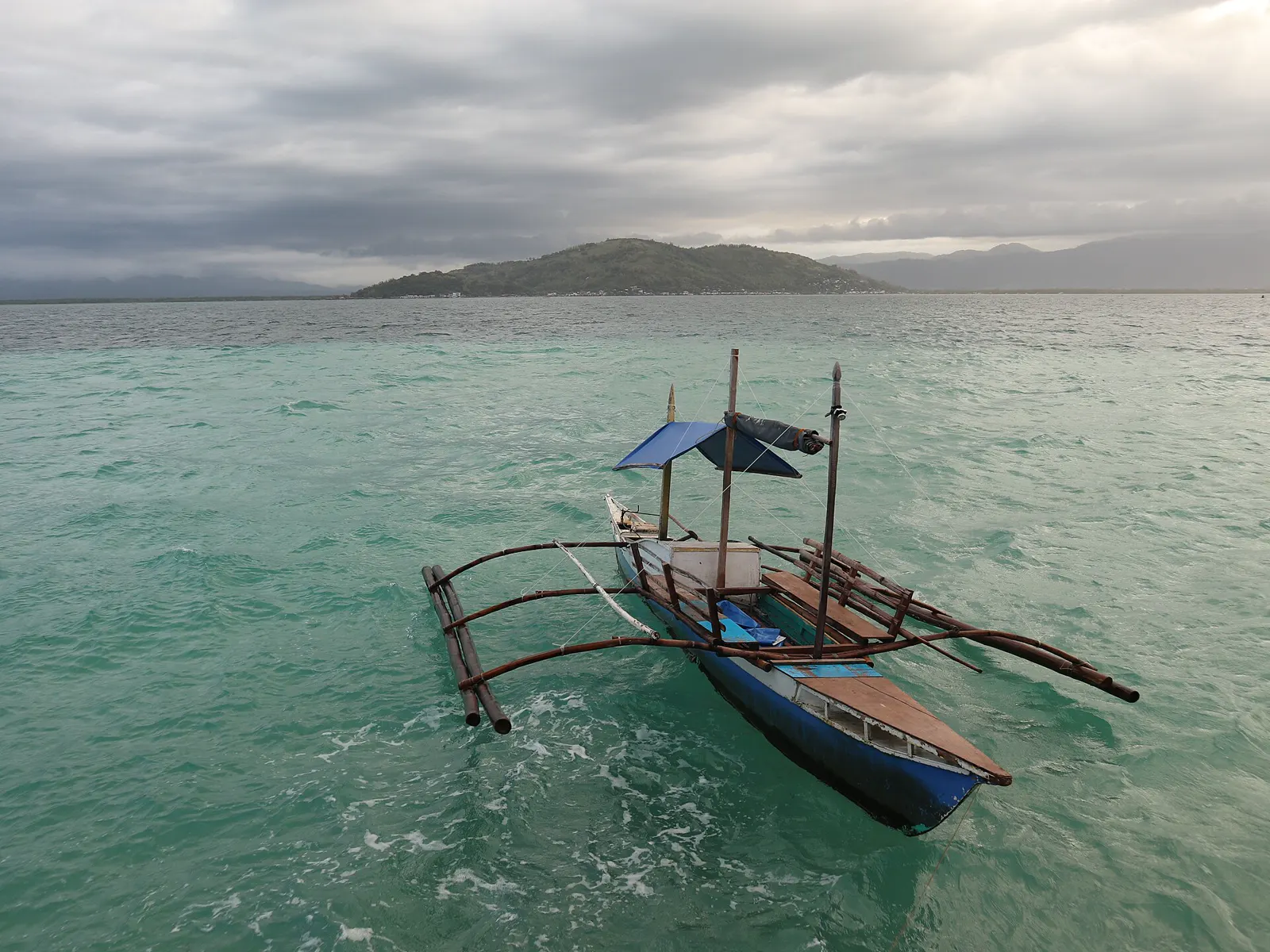
Bais dolphin watching: is it worth it, and how do you do it right?
Is Bais dolphin watching worth it, and how do you watch responsibly?
Short answer
Yes, for most visitors to the Dumaguete side of Negros: Bais City sits on the Tañon Strait, the narrow, protected channel between Negros and Cebu that is one of the country’s richest stretches of sea for wild dolphins, and the morning boat trip usually continues to the Manjuyod white sandbar for a swim and lunch, so you get two very different highlights in one outing. The sightings are wild, not staged, so go early when the water is calm and treat the pods gently, no chasing, circling or feeding, and let the boatman keep a respectful distance. Dry season (roughly December to May) gives the calmest seas and the best odds, but boats run and dolphins are seen year-round.
Bais City, about 45 km up the coast from Dumaguete, is the launch point for one of the most-asked-about outings on the Dumaguete side of Negros: a morning boat trip onto the Tañon Strait to watch wild dolphins, usually followed by a swim and lunch on the long white Manjuyod sandbar. It is a genuinely different kind of morning to Apo Island’s reef and turtles, open water and moving pods rather than a snorkel over coral, and it is worth understanding what you are actually booking before you go.
Below is an honest answer on whether it is worth your time, what a responsible trip looks like, and how to plan around it. We arrange the private car and driver from Dumaguete, timed to an early boat; the dolphin-watching boat itself and any sandbar cottage are booked and paid at the Bais wharf.
Want the easy version?
Tell us your dates and plan, and we will quote the private car and driver around this guide. No payment now, no obligation.
We’ll pre-fill Bais dolphin watching day tour on the form - just add your dates and details.
What Bais dolphin watching actually is
The Tañon Strait is the stretch of sea between Negros and Cebu, protected as the country’s largest marine protected seascape and known for its resident and passing pods of dolphins, most commonly spinner and spotted dolphins, with whales occasionally reported further out in season. Boats from the Bais wharf head out into the strait in the morning and follow pods at a distance for a while before continuing on to the Manjuyod sandbar.
This is wild-animal watching, not a marine park or a show. There is no enclosure, no schedule the dolphins keep, and no guarantee, though sightings on a calm morning are common. That distinction is worth sitting with before you book: the value is in the setting and the chance, not a promised photo.
Is it worth it?
For most people spending a few days on the Dumaguete side, yes. It pairs a genuinely wild wildlife encounter with a swim and lunch on one of the prettiest sandbars in the Visayas, and the whole outing fits comfortably into a day, leaving your evening free in Dumaguete.
It is a better fit for travellers who enjoy open water and are comfortable with "no guarantee" wildlife watching than for anyone who wants a sure thing. If seeing marine life up close matters more than seeing dolphins specifically, Apo Island’s reef, where green sea turtles are reliably present in the shallows, is the steadier bet; many visitors do both on separate days.
How to watch dolphins responsibly
Wild dolphins in the strait cope best when boats keep their distance and let the pod set the pace. A few simple habits make the difference between a respectful outing and one that stresses the animals:
Distance, not pursuit
A good boatman slows down and lets dolphins approach or move off in their own time rather than chasing, cutting across or boxing in a pod. If your boat is closing in fast or circling, ask the crew to back off.
No feeding, no touching
Wild dolphins should never be fed or handled. It is unhealthy for them and it is not part of a responsible trip, whatever any operator suggests.
Keep the noise and wake down
Engines throttled back near a pod, and no jumping into the water to swim with them. Watching from the boat is the respectful way to do it here.
Give the crew room to make the call
An experienced Bais boatman reads the pod and the water; if they choose to move on rather than linger, that is usually the right welfare call, not a shortened trip.
Best time to go
Go early. Boats leave the Bais wharf in the morning because the sea is calmest and dolphins tend to be more active before the wind picks up later in the day, and an early start also gives you first light on the Manjuyod sandbar before it gets busy.
Season-wise, this is a sea day, so it follows the same pattern as Apo Island and the rest of Negros’ water-based outings: the dry season, roughly December to May, gives the calmest, clearest conditions and the most reliable window, while wet-season months (June to November) can still produce good mornings but with more chance of a choppy or rained-out start.
Pairing dolphins with the Manjuyod sandbar
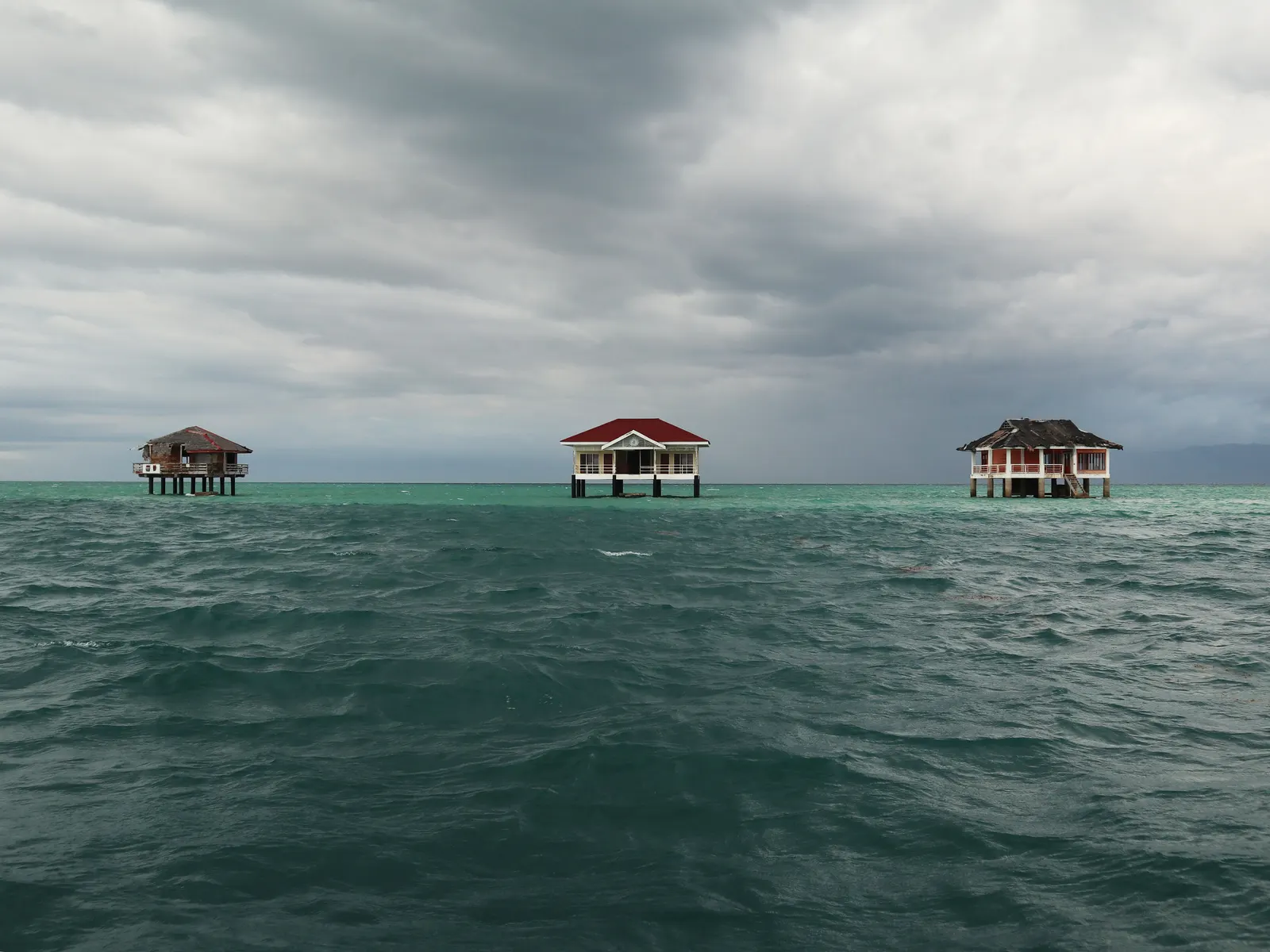
Almost every dolphin-watching boat continues on to the Manjuyod sandbar, a narrow strip of pale sand standing in knee-deep turquoise water a short ride from Bais, with simple stilt cottages for shade and lunch. It is the natural second half of the outing: dolphins in the cool of the morning, then a swim and lunch on the sandbar once the sun is up. The boat and any cottage hire are arranged and paid at the wharf alongside the dolphin trip.
Getting to Bais from Dumaguete
Bais is about 45 km north of Dumaguete, an hour to an hour and a half by road. A private car timed to an early boat is the easiest way to make the morning window; northbound Ceres buses reach Bais too, then a tricycle to the wharf, cheaper but harder to line up with a pre-dawn departure. Tell us your dates and we will quote a fixed-price private transfer, with the driver waiting through your time on the water.
Frequently asked questions
Is Bais dolphin watching worth it?
Yes for most visitors: it pairs a genuine wild dolphin encounter on the Tañon Strait with a swim and lunch on the Manjuyod sandbar in one morning. Just go in understanding that sightings are wild and never guaranteed, unlike the steadier turtle encounters at Apo Island.
Are the Bais dolphins wild or captive?
Wild. Boats head out into the Tañon Strait, the protected channel between Negros and Cebu, and follow resident and passing pods at a distance. There is no enclosure and no schedule the dolphins keep, which is exactly why sightings are common but not certain.
How do you watch dolphins responsibly at Bais?
Keep distance rather than chasing or circling a pod, never feed or touch the dolphins, keep engine noise and wake down near them, and trust an experienced boatman’s call to move on if that is the better welfare choice. Watching from the boat, not swimming with them, is the respectful way to do it here.
What is the best time of day and year for Bais dolphin watching?
Go early: boats leave the wharf in the morning when the sea is calmest and dolphins tend to be more active. The dry season, roughly December to May, gives the most reliable calm-water window, though boats run year-round.
Do dolphin-watching boats always continue to the Manjuyod sandbar?
Almost always. It is the natural second half of the outing, a short ride from the dolphin-watching grounds to the sandbar for a swim and lunch, with the boat and any cottage hire arranged and paid at the Bais wharf alongside the dolphin trip.